

What began as a simple mobile money service to transfer funds between individuals has evolved into a critical piece of national financial infrastructure.
For more than a decade, Ghana has quietly built one of Africa’s most sophisticated digital payment ecosystems. What began as a simple mobile money service to transfer funds between individuals has evolved into a critical piece of national financial infrastructure. Today, millions of Ghanaians use mobile money to pay school fees, purchase goods, settle utility bills, receive salaries, access loans and insurance, and conduct business transactions that previously relied on cash.
That digital transformation has positioned Ghana as one of Africa’s leading fintech markets. Yet industry leaders believe the country is approaching another defining moment, one that could reshape not only how payments are made, but how value itself is created, exchanged and invested
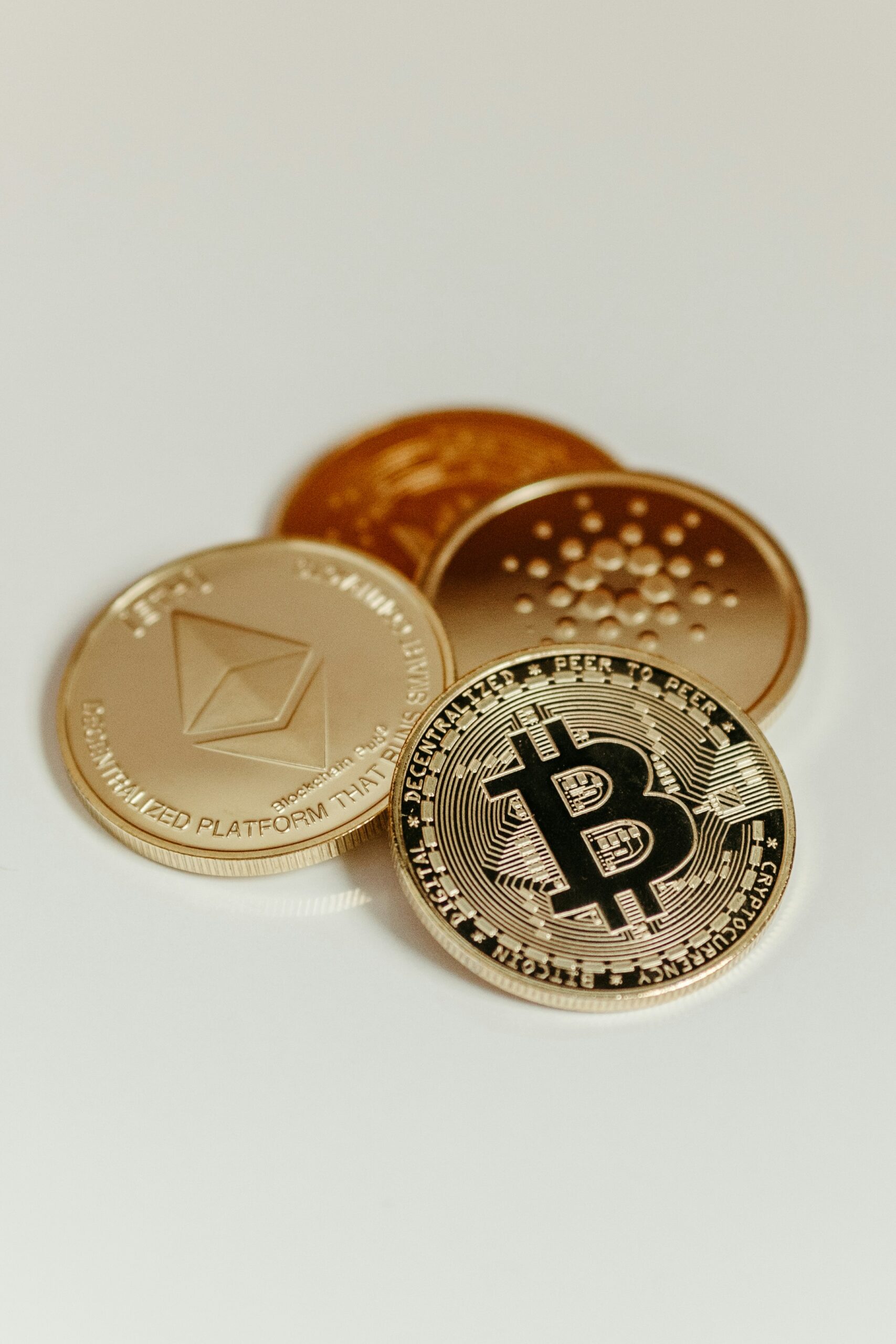
That future was at the centre of discussions during the Digital Asset Standards Workshop hosted at Fidelity Bank Ghana, where regulators, banks, fintech executives and blockchain innovators explored the role of tokenisation in Ghana’s financial sector. The conversation gained even greater momentum following last week’s Stablecoin Conference in Accra, where policymakers and industry stakeholders examined how regulated digital currencies could support trade, financial inclusion and cross-border commerce.
Taken together, the two events suggest that Ghana’s fintech industry is beginning to shift its attention beyond mobile payments towards programmable digital assets, tokenised investments and blockchain-enabled financial infrastructure.
The timing could not be more significant. Across the world, financial institutions that once dismissed blockchain technology as speculative are now investing billions of dollars into tokenisation. Global banks, asset managers and payment providers increasingly view tokenised financial assets as the next evolution of digital finance, promising faster settlements, lower operational costs, greater transparency and improved accessibility. For Ghana, the question is no longer whether digital assets will influence financial services, but whether the country is prepared to lead rather than follow.
At the workshop, Shaibu Haruna, Chief Executive Officer of MobileMoney Fintech Limited (MMFL), argued that Ghana already possesses the most important ingredient required for this transformation. Rather than building an entirely new financial ecosystem, he believes the country should leverage the digital payment infrastructure that has taken years to establish.
“We have created a domestic highway and network for digital payments,” Haruna explained. “What we are now adding is an international gateway that addresses the friction that exists in cross-border payments.”
His analogy is particularly relevant. Ghana has already invested heavily in interoperability through the Bank of Ghana and the Ghana Interbank Payment and Settlement Systems (GhIPSS). Consumers today can seamlessly transfer funds between mobile money wallets and bank accounts across different service providers. That level of integration has significantly reduced transaction friction within the domestic economy. Tokenisation, Haruna argues, represents the logical extension of that success by connecting Ghana’s financial system to global digital markets.
Recent figures reinforce the strength of that foundation. According to the Bank of Ghana’s Payment Systems Oversight Report, mobile money transactions continue to grow at remarkable pace, processing trillions of cedis annually and serving millions of active users across the country. Few African nations have succeeded in building digital payment infrastructure at such scale, giving Ghana an advantage as financial markets increasingly migrate toward digital assets.
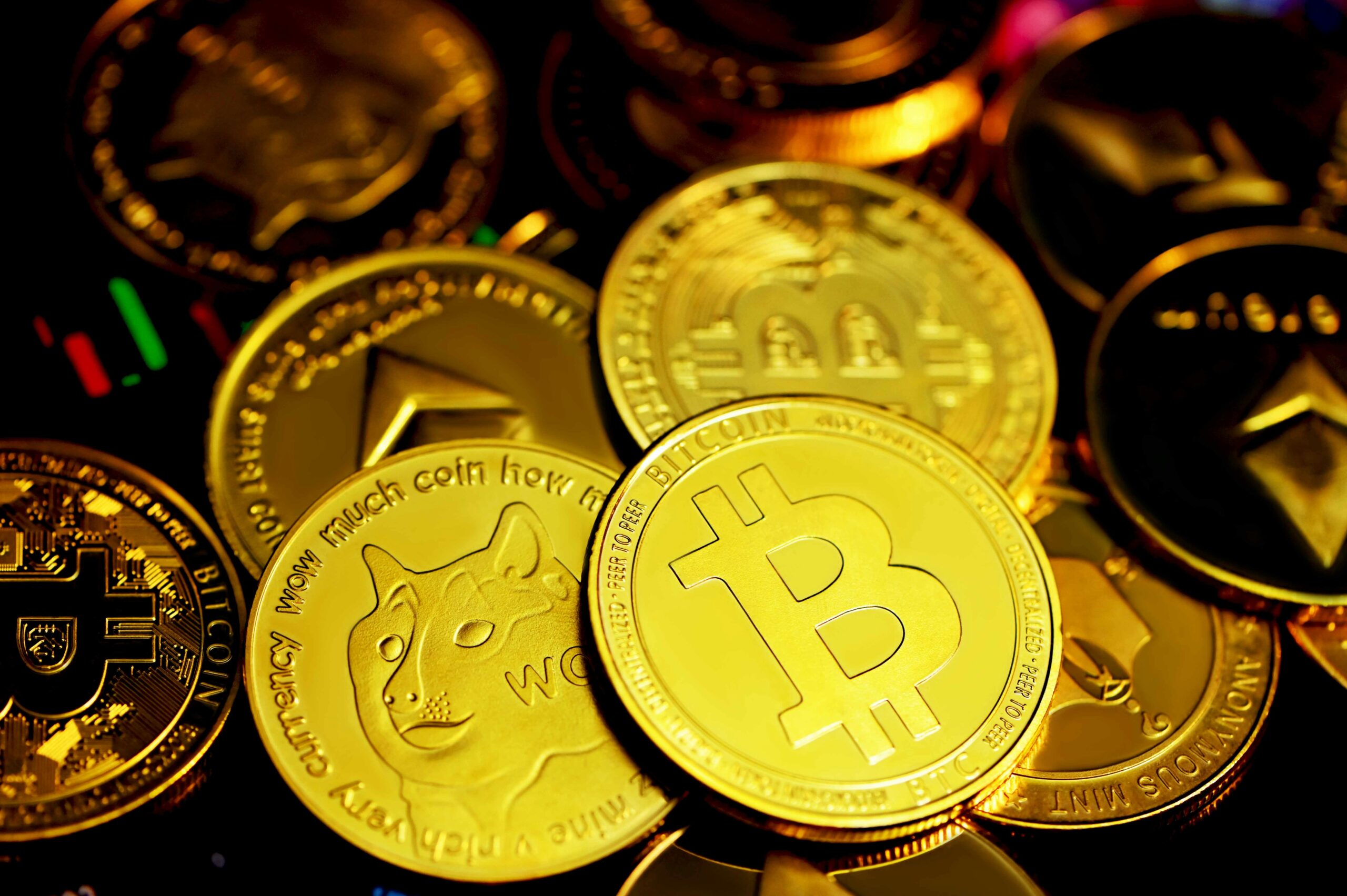
Unlike cryptocurrencies that derive value primarily from market speculation, tokenisation focuses on representing ownership of real-world assets in digital form. Treasury bills, government bonds, company shares, real estate, commodities and even bank deposits can be converted into secure digital tokens that are transferable through distributed ledger technology. The objective is not to replace traditional financial institutions but to modernise the way assets are issued, traded and settled.
Internationally, this market is expanding rapidly. Research by Boston Consulting Group and Ripple estimates that tokenised real-world assets could represent a market worth approximately US$19 trillion by 2033. Major institutions including JPMorgan Chase, BlackRock, HSBC and Citi have already launched pilot programmes or commercial initiatives involving tokenised deposits, securities and investment products. Central banks across Europe, Asia and the Middle East are simultaneously exploring how digital currencies and tokenised financial instruments can coexist within regulated financial systems.
For Ghana, these developments present opportunities that extend far beyond technological innovation. One of the country’s most persistent financial challenges remains the high cost and slow processing of cross-border payments. Businesses trading across West Africa often encounter multiple intermediaries, foreign exchange inefficiencies and settlement delays that increase operational costs. Remittance recipients face similar obstacles, with transfer fees consuming a significant portion of funds sent by relatives abroad. According to the World Bank, remittances continue to contribute billions of dollars annually to Ghana’s economy, making them one of the country’s most important sources of foreign exchange.
This is where stablecoins entered the conversation during last week’s conference.
Unlike highly volatile cryptocurrencies, stablecoins maintain their value by being backed by fiat currencies or other reserve assets. Their stability makes them increasingly attractive for international settlements, trade finance and remittance services. Globally, stablecoin transaction volumes have reached unprecedented levels as financial institutions begin recognising their efficiency for moving value across borders almost instantly and at significantly lower costs than conventional payment networks.
For Ghana, the implications are considerable. Imagine a cocoa exporter receiving payment from Europe within minutes instead of several days. Consider a Ghanaian professional working in the United Kingdom sending money home directly into a mobile money wallet with substantially lower transaction costs. Envision small and medium-sized enterprises conducting business across the African Continental Free Trade Area (AfCFTA) without the expensive correspondent banking arrangements that currently slow regional commerce. These are no longer theoretical possibilities but practical applications already being tested in several global markets.
However, technology alone will not determine whether Ghana succeeds in this transition. Throughout the discussions at Fidelity Bank, speakers repeatedly emphasised that the country’s digital asset future will depend as much on institutional collaboration as technological innovation.
Kofi Genfi, Chief Executive Officer of Vaulta Digital Assets, argued that the private sector must work collectively rather than independently if Ghana is to build a credible digital asset ecosystem. Innovation in isolation, he suggested, cannot produce the interoperability or public confidence required for large-scale adoption.

That sentiment was echoed by Dr. David Animante, Chief Risk Officer of Fidelity Bank Ghana, who challenged the longstanding perception that banks and fintech companies operate as rivals. Banks possess decades of expertise in governance, compliance, liquidity management and consumer protection. Fintech companies, meanwhile, have demonstrated remarkable ability to innovate quickly, develop customer-focused solutions and respond to changing market demands. Bringing these strengths together could accelerate Ghana’s digital transformation while maintaining the trust that remains essential to every financial system.
Yet important questions remain unanswered.
How should tokenised financial assets be regulated without discouraging innovation? Can stablecoins coexist with Ghana’s existing banking framework? How will anti-money laundering standards evolve to accommodate blockchain-based financial services? More importantly, how can policymakers ensure that digital assets do not become products reserved for institutional investors and affluent urban populations while excluding rural communities that have benefited most from mobile money?
These are not merely technical questions. They go to the heart of Ghana’s broader digital economy strategy. The country’s experience with mobile money offers an important lesson.
Mobile money did not become successful simply because the technology was available. It succeeded because it addressed a genuine market need, enjoyed regulatory support, built public confidence and reached people who had previously been excluded from formal financial services. Tokenisation will need to follow a similar path if it is to deliver meaningful economic impact.
The convergence of conversations around tokenisation and stablecoins reflects a broader reality. Ghana is no longer discussing whether digital finance is the future. That debate has largely been settled. The country is now considering what the next generation of financial infrastructure should look like and how it can position itself within a rapidly evolving global digital economy.
If regulators provide clear policy direction, financial institutions embrace collaboration and technology providers remain focused on solving practical problems rather than pursuing hype, Ghana could emerge as one of Africa’s leading markets for regulated digital assets. If not, tokenisation risks becoming another promising innovation that generates headlines but fails to deliver tangible benefits for businesses and ordinary citizens.
The opportunity is evident. The infrastructure largely exists. What remains is the collective resolve to transform Ghana’s proven digital payment success into a digital asset ecosystem capable of supporting investment, trade and financial inclusion for the next decade.

Leave A Comment