


A stronger legal framework is positioning Ghana as one of Africa’s most attractive destinations for fintech investment, digital finance and financial inclusion.
For years, Ghana has earned global recognition for its success in mobile money and digital payments. Today, however, the country’s fintech story extends far beyond sending money with a mobile phone.
According to the latest International Comparative Legal Guide (ICLG) – Fintech Laws and Regulations 2026, Ghana is entering a new phase of fintech development one defined not just by rapid innovation, but by regulatory maturity. The comprehensive legal guide highlights how Ghana is building a structured ecosystem that supports innovation while protecting consumers and maintaining financial stability.

From Mobile Money to a Diverse Digital Finance Ecosystem
While mobile money remains the backbone of Ghana’s digital financial services, the fintech landscape has become considerably more sophisticated.
Today’s ecosystem includes digital lending platforms, embedded finance solutions, wealth management technologies, insurtech, payment gateways, remittance services, crowdfunding platforms, Buy Now Pay Later (BNPL) services, artificial intelligence-powered financial products, and virtual asset businesses.
This diversification reflects the growing confidence of entrepreneurs and investors in Ghana’s digital economy. It also demonstrates that fintech is no longer simply about replacing cash transactions, rather, it is becoming the infrastructure that powers modern commerce.
Regulation Is Becoming a Competitive Advantage
Historically, regulation has often been viewed as an obstacle to innovation. Ghana is attempting a different approach. The country’s legal framework now provides clearer licensing requirements for payment service providers, electronic money issuers, financial technology service providers and, more recently, virtual asset service providers.
The establishment of the Bank of Ghana’s Fintech and Innovation Office has created a dedicated channel for engaging startups, while regulatory sandboxes allow innovators to test new products under regulatory supervision before full market deployment. This approach reduces uncertainty for entrepreneurs while giving regulators greater visibility into emerging technologies.
Crypto Moves Out of the Grey Area
Perhaps one of the most notable developments highlighted in the report is Ghana’s regulation of virtual assets.
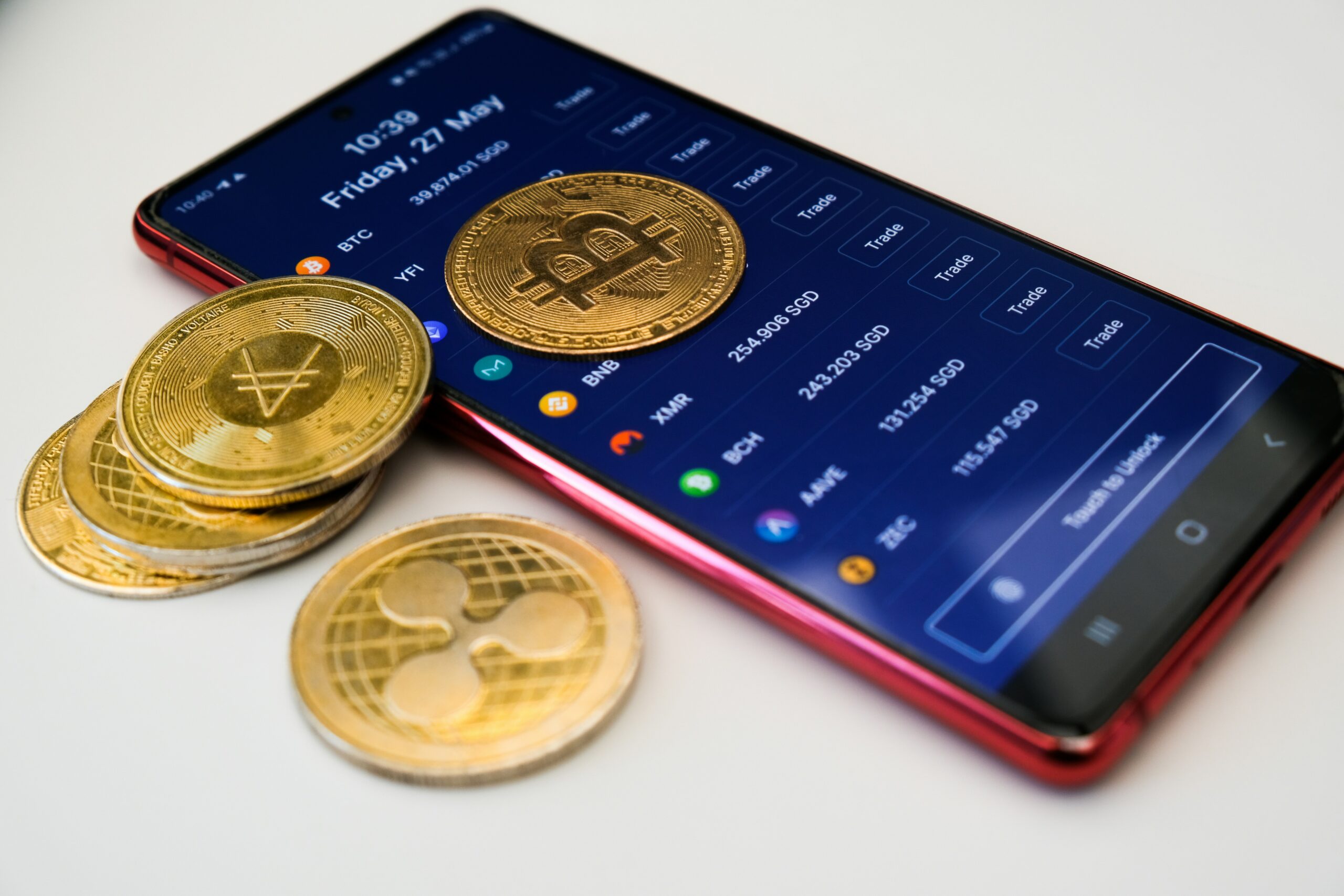
The enactment of the Virtual Asset Service Providers Act 2025 introduces a legal framework governing cryptocurrency exchanges, wallet providers, token issuers and other digital asset businesses. While cryptocurrencies are not recognised as legal tender, companies operating in the sector can now obtain licences and operate within a regulated environment.
For startups working in blockchain technology, tokenisation or digital asset infrastructure, this represents a significant shift from regulatory uncertainty toward legal clarity.

Building an Investment-Friendly Environment
A predictable regulatory environment is often one of the strongest signals investors look for before entering a market.
The ICLG report notes that Ghana has established clear licensing pathways, consumer protection requirements, anti-money laundering obligations and data protection rules that provide greater confidence for both domestic and international investors. Government initiatives, including a proposed Fintech Growth Fund and continued investment in open banking frameworks, further reinforce the country’s ambition to become a regional fintech hub.
Cross-Border Opportunities Are Expanding
Ghana’s ambitions extend beyond its borders. One of the most innovative developments highlighted in the report is the fintech licence-passporting agreement between the Bank of Ghana and the National Bank of Rwanda. The initiative allows licensed fintech companies to expand more easily between both countries while supporting broader efforts toward cross-border payment interoperability across Africa. Combined with participation in the Pan-African Payment and Settlement System (PAPSS), these initiatives could significantly reduce barriers to regional trade and digital commerce.
Why This Matters for Ghana’s Tech Ecosystem
The implications extend well beyond fintech companies.
A mature regulatory framework creates greater certainty for software developers building financial applications, investors evaluating startup opportunities, banks seeking technology partnerships and entrepreneurs looking to launch innovative financial products.
- For local startups, clearer regulations reduce compliance uncertainty and enable founders to design products with confidence from the outset.
- For foreign investors, transparent licensing requirements and regulatory oversight make Ghana a more attractive destination for capital.
- For consumers, stronger regulation improves trust, enhances data protection and promotes safer digital financial services.
Collectively, these factors strengthen Ghana’s broader digital economy and create opportunities for job creation, innovation and entrepreneurship.


Challenges Still Need Attention
The report also acknowledges that regulatory maturity comes with additional compliance requirements. Foreign fintech companies must establish a legal presence in Ghana, satisfy minimum capital requirements, meet local shareholding obligations in certain circumstances and obtain sector-specific licences before offering services to Ghanaian customers.
While these measures are intended to strengthen oversight and encourage local participation, regulators will need to ensure that compliance costs do not discourage innovation or make market entry unnecessarily burdensome for early-stage startups. Finding the right balance between regulation and innovation will remain one of Ghana’s most important policy challenges.
Looking Ahead
Ghana’s fintech ecosystem is entering a defining period. The country is no longer known solely for mobile money adoption. It is steadily building the legal, institutional and technological foundations required to support the next generation of digital finance from open banking and artificial intelligence to blockchain, digital assets and cross-border payments.
If policymakers continue to strike the right balance between innovation, competition and consumer protection, Ghana is well positioned to strengthen its reputation as one of Africa’s leading fintech destinations.
For startups, investors and technology innovators, the message is becoming increasingly clear: Ghana is not simply participating in Africa’s fintech revolution, it is working to shape its future.
The Fintech 2026 Ghana Guide is authored by the team at Asiedu & Yorke (Gregory Asiedu, Kwesi Dadzie-Yorke, Nii Tetteh-Djan Abbey, and Pearl Jackson).
Click To Read

Leave A Comment