


The way businesses handle payments has changed significantly over the past decade.
What once required cash transactions, physical bank visits, and lengthy processing times can now be completed within seconds through mobile phones and digital platforms. In Ghana, the rise of digital payment solutions is reshaping the business landscape and creating new opportunities for entrepreneurs.

From Mobile Money services to online payment gateways and fintech innovations, digital payments have become a key driver of business growth. As more consumers embrace cashless transactions, entrepreneurs are discovering that digital payment systems are not only convenient but also essential for remaining competitive in an increasingly digital economy.
The Rise of Digital Payments in Ghana.
Ghana has emerged as one of Africa’s leading adopters of digital financial services. The widespread use of mobile phones, coupled with growing internet penetration, has contributed to the rapid expansion of digital payment solutions across the country.
Mobile Money, in particular, has transformed the way people send, receive, and store money. What began as a convenient alternative to traditional banking has evolved into a critical component of everyday business operations. Small business owners, market traders, online retailers, and service providers now rely heavily on digital payment systems to facilitate transactions and serve customers more efficiently.
The increasing popularity of cashless payments reflects changing consumer preferences. Customers today expect faster, more convenient, and secure payment options, pushing businesses to adapt to these evolving demands.
How Digital Payments Are Driving Business Growth
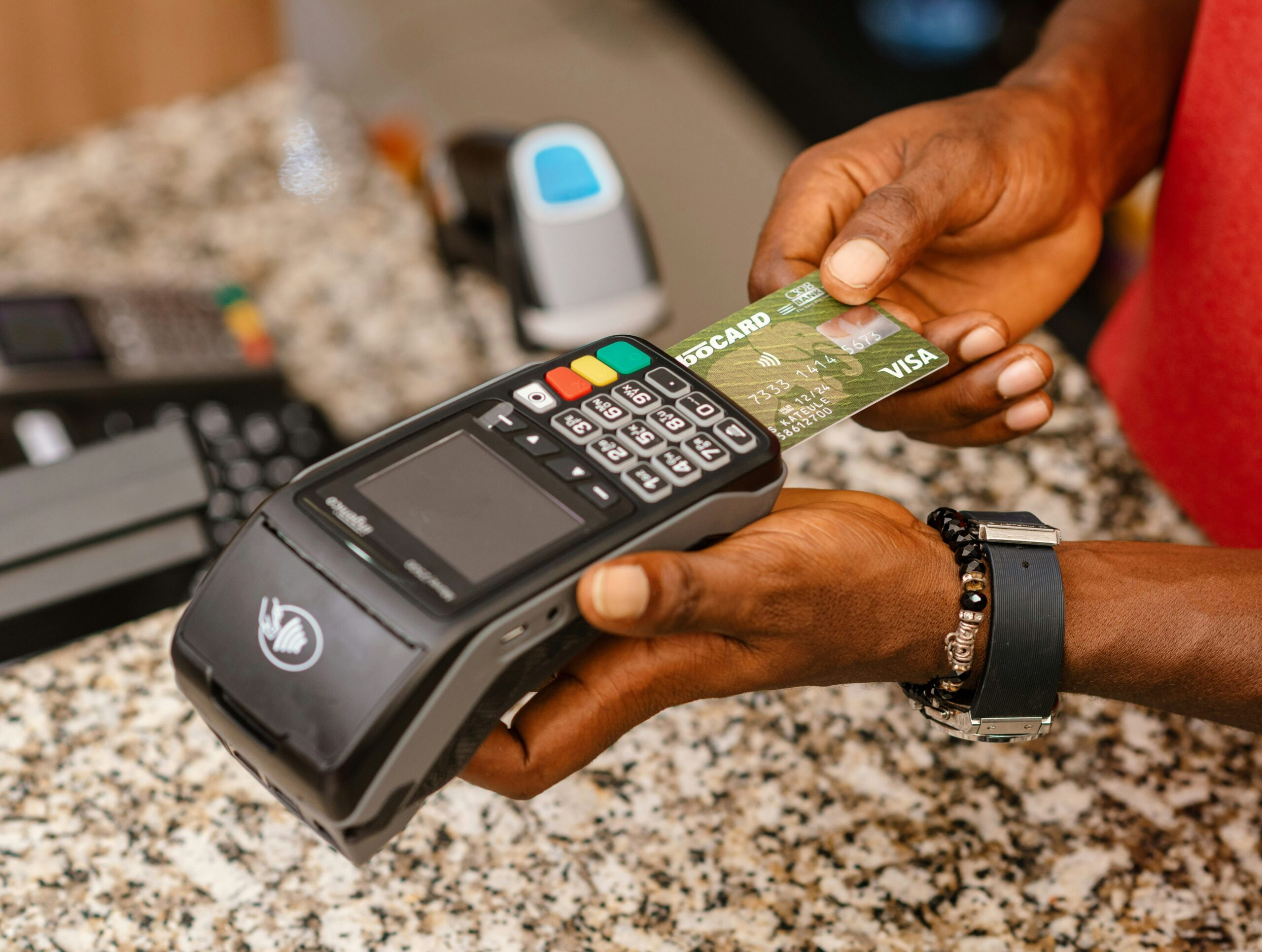
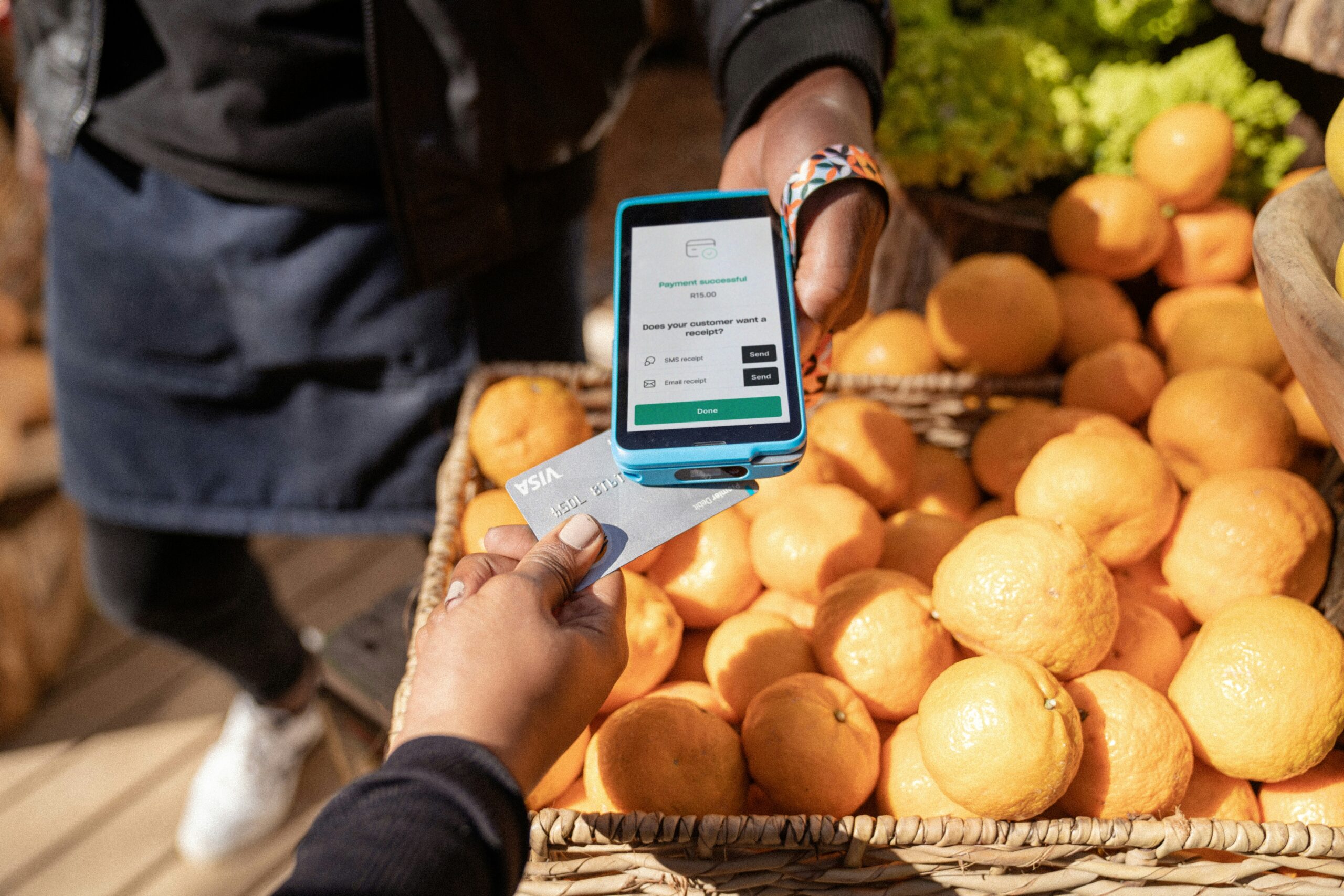
Digital payment technologies have created several advantages for entrepreneurs and business owners. One of the most significant benefits is convenience. Businesses can receive payments from customers regardless of location, eliminating geographical barriers that once limited commercial activities. Entrepreneurs who operate online stores, for example, can serve customers across different regions without requiring physical interactions.
Digital payments also improve transaction speed. Instead of waiting for cash deposits or bank transfers to be processed manually, businesses can receive payments almost instantly. Improved cash flow enables entrepreneurs to make quicker business decisions and manage operations more effectively.
Furthermore, digital payment systems help businesses maintain accurate financial records. Electronic transaction histories provide valuable data that can assist with budgeting, forecasting, and financial planning. For many small businesses, this level of record-keeping was previously difficult to achieve.
Opportunities for Small and Medium Enterprises
Small and Medium Enterprises (SMEs) play a critical role in Ghana’s economy, contributing significantly to employment and economic development. Digital payment solutions are providing these businesses with tools that can help them scale more efficiently. For startups and emerging businesses, digital payments reduce the barriers associated with traditional financial systems. Entrepreneurs can launch online businesses, accept payments digitally, and reach wider customer bases without investing heavily in physical infrastructure.
Digital transactions also enhance customer trust. Consumers are often more comfortable doing business with organizations that offer secure and transparent payment options. As a result, businesses that adopt digital payment technologies may gain a competitive advantage in attracting and retaining customers.
Additionally, digital payment platforms are increasingly being integrated with other business tools, including inventory management systems, accounting software, and e-commerce platforms. This integration allows entrepreneurs to streamline operations and improve overall efficiency.


The Role of Fintech Innovation
The growth of Ghana’s fintech sector has played a significant role in expanding access to digital payment services. Fintech companies continue to develop solutions that address the needs of businesses and consumers alike.
These innovations are helping bridge gaps in financial inclusion by providing services to individuals and businesses that may not have easy access to traditional banking systems. Through technology-driven financial solutions, entrepreneurs can access payment services, business insights, and financial tools that support growth and sustainability. As fintech companies continue to innovate, businesses are likely to benefit from even more efficient and accessible payment technologies in the years ahead.
Challenges Facing Digital Payment Adoption
Despite the progress that has been made, challenges remain. Cybersecurity concerns continue to be a major issue. As businesses increasingly rely on digital platforms, they must also protect themselves and their customers from fraud, cyberattacks, and data breaches. Digital literacy being another challenge, entrepreneurs particularly those in underserved communities, may lack the skills required to effectively utilize digital payment technologies. Without proper education and support, adoption rates may remain uneven.
Network reliability and internet connectivity can also affect the effectiveness of digital payment systems. Service interruptions can disrupt business operations and negatively impact customer experiences.
Addressing these challenges will require collaboration among government agencies, financial institutions, technology providers, and business organizations.
Looking Ahead
The future of business in Ghana is becoming increasingly digital. As technology continues to evolve, digital payment systems are expected to play an even greater role in supporting entrepreneurship, innovation, and economic growth.
Businesses that embrace these technologies early may be better positioned to meet changing consumer expectations and compete in a rapidly evolving marketplace. At the same time, continued investment in digital infrastructure, cybersecurity, and financial education will be necessary to ensure that the benefits of digital payments are accessible to all.
Digital payment technologies are transforming the way businesses operate in Ghana. By providing faster transactions, improved financial management, and greater access to customers, these solutions are helping entrepreneurs unlock new opportunities for growth.
While challenges such as cybersecurity and digital literacy remain, the overall trajectory points toward a more connected and digitally driven business environment. For Ghanaian entrepreneurs, digital payments are no longer simply a convenience, they are becoming a vital tool for success in the modern economy.

Leave A Comment